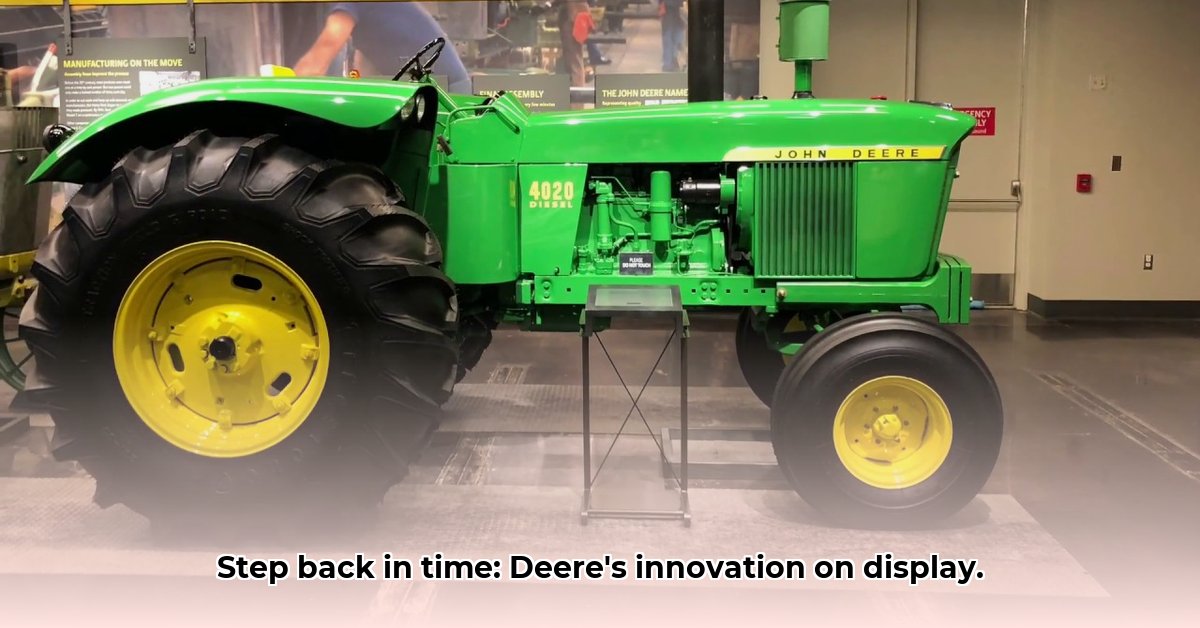
A Legacy Forged in Steel
The John Deere Tractor & Engine Museum in Waterloo, Iowa, isn't just a collection of old tractors; it's a captivating journey through the evolution of American agriculture. Imagine walking through a timeline of ingenuity, tracing the transformation of simple farming tools into the powerful machines we know today. This museum offers precisely that experience. Rows of gleaming tractors stand as silent testaments to adaptation and innovation, representing farmers' relentless drive for improvement and the brilliance of the engineers who made it possible. Each machine tells a story of its time, reflecting the changing needs of farmers and the advancements in technology. The museum's chronological layout enhances this narrative, guiding visitors from early, horse-drawn plows to the complex machinery of the modern era. The sheer mechanical artistry of these early marvels is remarkable, showcasing the craftsmanship and skill of a bygone era. The transformation is breathtaking.
For detailed tractor valuations, check out this helpful resource.
Have you ever considered the sheer human effort involved in creating these early machines? The museum subtly underscores the dedication and skill of the artisans who built these agricultural wonders. The museum's design allows visitors to directly engage with this narrative, from the earliest, simplest designs to the complex machinery of today.
Beyond the Tractors: A Broader Story of Agricultural Advancement
The museum's collection extends far beyond tractors, encompassing a wide array of engines, tools, and other agricultural equipment. These exhibits reveal not only how farming changed but also the evolution of tool and machinery design and manufacture. You'll discover how innovations in one area – like engine power – spurred advancements in others, such as planting and harvesting techniques. The interconnectedness of technological progress in agriculture is expertly demonstrated. Consider the impact: how did these inventions reshape farming practices? The museum vividly illustrates the transformation of planting, harvesting, and processing crops. It's a story told not just through words but through the very tools that revolutionized agriculture.
What innovations facilitated the largest increase in agricultural output? The museum provides a visual answer, demonstrating how technological advancements led to greater efficiency and productivity.
Engaging with History: Interactive Exhibits and More
The John Deere Tractor Museum isn't a passive experience. Interactive displays bring the exhibits to life, allowing detailed exploration of each machine’s designs and the engineering challenges overcome. Visitors gain deep appreciation for the innovation and skill involved. These interactive elements make learning enjoyable and memorable, especially for younger visitors. Beyond the immediate exhibits, the museum serves as a crucial repository of agricultural heritage, preserving a vital part of our shared past. Understanding this history better informs our future. The museum implicitly prompts questions about the impact of these advancements: How did they change farmers' lives? How did they influence food production? These questions linger long after your visit.
How can museums make history more relatable and engaging for younger audiences? Hands-on exhibits are one of the key ways to achieve this, connecting the past to the future through interactive experiences.
Planning Your Visit: Practical Information
Here's what you need to know to plan your visit:
| Aspect | Details |
|---|---|
| Location | Waterloo, Iowa |
| Hours | Check the official website for the most up-to-date information. |
| Admission | Free! |
| Parking | Ample parking is available on-site. |
| Accessibility | The museum strives to ensure accessibility for all visitors. |
The John Deere Tractor Museum is more than just a museum; it's an engaging and educational experience, a captivating journey through American innovation and agricultural history. It's a must-see for anyone interested in the history of farming, engineering, or the evolution of technology. You'll leave with a richer understanding of how farming has changed and the ingenuity that shaped the industry. It's a visit you won't soon forget.